VA Assumptions Explained
VA Assumptions Explained: What Buyers and Sellers Need to Know

If you've spent any time looking at real estate listings recently, you've probably seen the words "VA Assumable Loan" in the property description.
For many buyers, that phrase sparks immediate interest. For others, it creates confusion.
What exactly is a VA assumption? Who can assume a VA loan? Is it only available to veterans? Why are sellers advertising assumable mortgages so heavily?
These are great questions, and the answers could potentially save a homebuyer hundreds of dollars each month.
As a real estate broker, I've seen growing interest in assumable loans as interest rates have increased. A mortgage with a 2.5%, 3%, or 4% interest rate has become a valuable asset in today's market. In some cases, that lower rate can mean the difference between a home being affordable and unaffordable.
Let's break down exactly how VA assumptions work and what buyers and sellers need to know before pursuing one.
What Is a VA Assumable Loan?
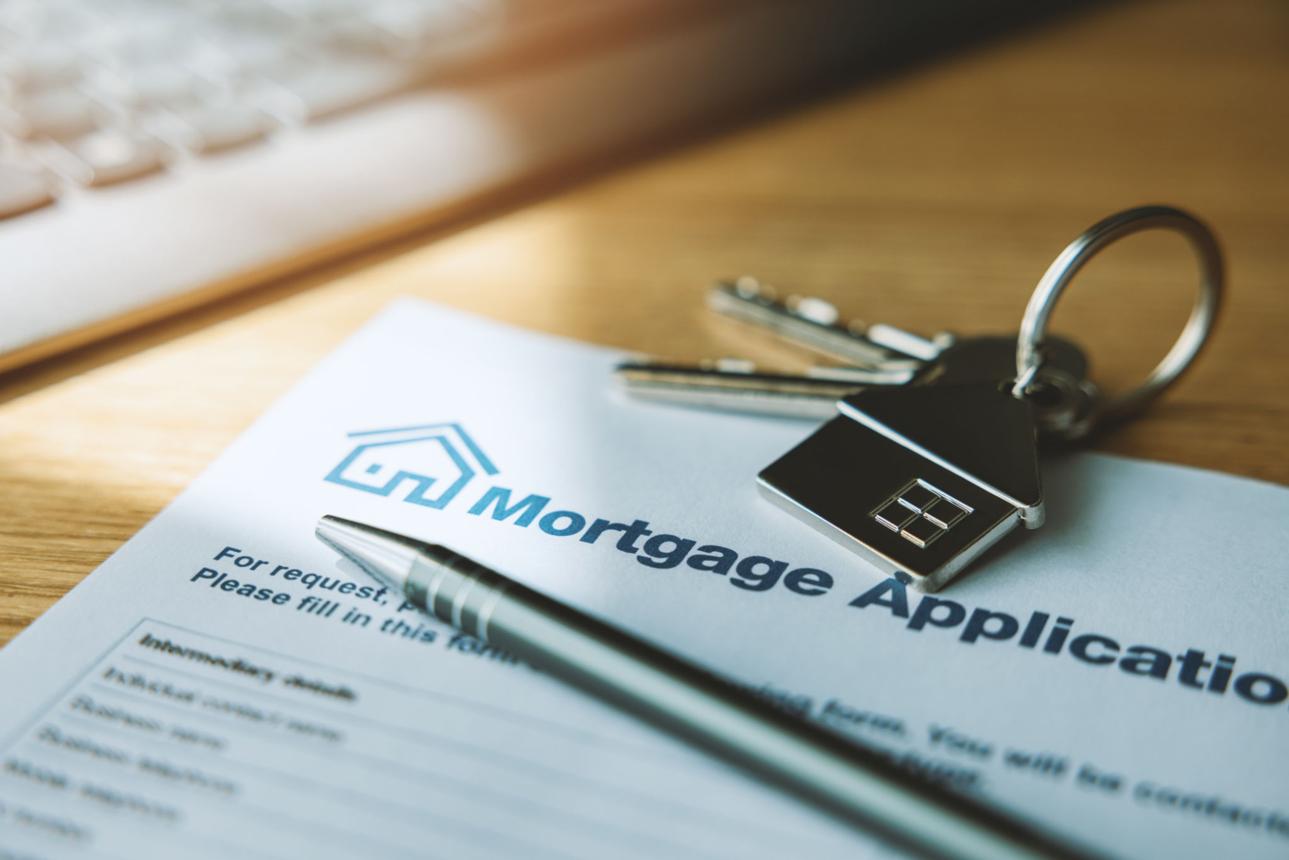
A VA assumable loan allows a qualified buyer to take over an existing VA mortgage, including the current interest rate, remaining balance, and repayment terms.
Instead of obtaining a brand-new mortgage at today's interest rates, the buyer steps into the seller's existing loan.
For example:
Let's say a seller purchased a home in 2021 using a VA loan with a 2.75% interest rate.
The seller still owes $275,000 on that mortgage.
Rather than obtaining a new loan at current market rates, an eligible buyer may be able to assume that existing $275,000 loan at 2.75%.
That's where the appeal comes from.
In many situations, the monthly payment could be substantially lower than financing the same amount using a new mortgage.
Why Are Assumable Loans Suddenly So Popular?
For years, assumable loans received very little attention.
Interest rates were historically low, and buyers could often obtain their own financing at similar rates.
Today, the situation is very different.
Many homeowners locked in mortgage rates during 2020, 2021, and portions of 2022.
As rates increased, those existing low-interest loans became extremely attractive.
A buyer assuming a 3% mortgage instead of obtaining a new mortgage at a significantly higher rate may save hundreds of dollars each month.
Over the life of a loan, those savings can be substantial.
As a result, assumable loans have become an increasingly valuable marketing tool for sellers.
Does the Buyer Have to Be a Veteran?
One of the biggest misconceptions about VA assumptions is that only veterans can assume a VA loan.
That is not necessarily true.
In many situations, non-veterans may also assume a VA loan if they meet lender and VA requirements.
However, there are important considerations that sellers need to understand.
Just because a non-veteran can assume a VA loan does not always mean it is the best choice for the seller.
We'll discuss why later in this article.
What Makes VA Assumptions Attractive?
There are several reasons buyers pursue assumable loans.
Lower Interest Rate
This is usually the biggest benefit.
If a seller's mortgage carries a significantly lower interest rate than current market rates, the buyer may enjoy a much lower monthly payment.
Reduced Closing Costs
In some situations, closing costs may be lower than obtaining a completely new mortgage.
Easier Qualification Than Some Loan Products
Although buyers still must qualify, the process can sometimes be more straightforward than obtaining certain traditional loan products.
Long-Term Savings
Even a small interest-rate difference can save thousands of dollars over time.
A larger difference can save tens or even hundreds of thousands of dollars over the life of the loan.
The Catch: The Buyer Must Cover the Equity Difference
This is where many buyers become disappointed.
Assuming a mortgage does not mean assuming the home's entire purchase price.
The buyer only assumes the remaining mortgage balance.
Let's look at an example.
Home Value: $450,000
Remaining VA Loan Balance: $300,000
Difference (Equity): $150,000
The buyer can assume the $300,000 mortgage.
However, the buyer must still come up with the additional $150,000 needed to complete the purchase.
That money may come from:
-
Cash
-
Savings
-
Gift funds
-
A second mortgage
-
Home equity from another property
This equity gap is often the biggest obstacle in an assumption transaction.
How Does the Assumption Process Work?
The process is different from a traditional purchase.
Generally, the steps include:
Step 1: Buyer and Seller Reach Agreement
The parties negotiate a purchase contract.
The contract should clearly address the assumption process.
Step 2: Buyer Applies with Loan Servicer
The buyer submits financial information directly to the current loan servicer.
The loan servicer—not the seller's real estate agent—determines qualification.
Step 3: Qualification Review
The lender reviews:
-
Income
-
Employment
-
Credit history
-
Debt obligations
-
Financial stability
The buyer must still demonstrate an ability to repay the loan.
Step 4: Assumption Approval
If approved, the lender authorizes the assumption.
Step 5: Closing
The transaction proceeds to closing and ownership transfers to the buyer.
How Long Does a VA Assumption Take?
This is one of the most common frustrations.
Assumptions often take longer than traditional mortgage approvals.
Depending on the lender, processing timelines may vary significantly.
Buyers and sellers should understand that patience is often required.
A transaction involving an assumption may take longer than a standard purchase financed through a conventional lender.
Proper planning and realistic expectations are important.
Understanding VA Entitlement
For veteran sellers, entitlement is a critical issue.
The VA guarantees a portion of the loan.
That guarantee comes from the veteran's entitlement.
When another veteran assumes the loan and substitutes entitlement, the seller may be able to restore their entitlement after closing.
However, if a non-veteran assumes the loan, the seller's entitlement may remain tied to that property and loan.
This can affect the seller's future ability to utilize VA financing.
That is why veteran sellers should carefully discuss entitlement implications with their lender before agreeing to an assumption.
Release of Liability Is Essential
Another important issue involves release of liability.
If a buyer assumes a mortgage without proper approval and documentation, problems can arise.
The seller wants assurance that they are no longer responsible for future payments.
An approved assumption generally includes documentation addressing liability concerns.
Sellers should never assume that transferring ownership automatically removes responsibility for the loan.
The proper release process matters.
Can Sellers Charge More for an Assumable Loan?
This question comes up frequently.
The reality is that assumable loans often make properties more attractive.
A low-interest mortgage can provide significant value to buyers.
As a result, some sellers receive increased interest because their financing creates an opportunity that competing properties cannot offer.
However, pricing should still be supported by overall market conditions.
An assumable loan is a benefit, but buyers should evaluate the entire transaction rather than focusing solely on the interest rate.
Is an Assumable Loan Right for Every Buyer?
Not necessarily.
While assumptions can create substantial savings, buyers should evaluate several factors.
Available Cash
Can you cover the equity difference?
Long-Term Plans
How long do you expect to own the property?
Alternative Financing Options
Would a conventional or VA loan better meet your needs?
Closing Timeline
Can you accommodate a potentially longer approval process?
Every buyer's situation is different.
What works well for one buyer may not work for another.
Is an Assumable Loan Right for Every Seller?
Not always.
Sellers should consider:
-
Future VA entitlement needs
-
Timing concerns
-
Loan servicer processing delays
-
Buyer qualification risks
-
Contract structure
While assumptions can attract buyers, they are not always the best solution.
A seller should evaluate both the benefits and potential drawbacks before moving forward.
Common Misconceptions About VA Assumptions
Myth #1: Only Veterans Can Assume a VA Loan
False.
Qualified non-veterans may also assume certain VA loans.
Myth #2: Assumptions Require No Qualification
False.
Buyers still must qualify through the loan servicer.
Myth #3: Assumptions Are Fast
Not always.
Many assumptions take longer than traditional financing.
Myth #4: The Buyer Gets the Entire House for the Loan Balance
False.
The buyer must still pay the difference between the loan balance and purchase price.
Myth #5: Assumptions Automatically Release the Seller
False.
Proper lender approval and documentation are critical.
Final Thoughts
VA assumptions have become one of the most talked-about financing strategies in today's housing market—and for good reason.
A low-interest mortgage can provide significant savings and increase affordability for buyers.
For sellers, an assumable loan can make a property stand out from competing listings.
However, assumptions are not simple shortcuts.
Buyers must still qualify. Sellers must understand entitlement implications. Both parties should understand timelines, documentation requirements, and financial responsibilities before moving forward.
As with any real estate transaction, the best approach is to understand the facts, ask questions, and work with professionals who understand the process.
A VA assumption can be an incredible opportunity when structured correctly, but like every financing option, it should be evaluated based on your individual goals and circumstances.
If you're considering buying or selling a home with an assumable VA loan, take the time to understand your options before making a decision. The right financing strategy could potentially save thousands of dollars and create opportunities that many buyers and sellers overlook.
Not sure if a VA assumption is right for you? Every situation is different. Before you buy or sell, let's discuss your goals and determine whether an assumable loan could save you money or help your home stand out in today's market.
Contact Dani Bucholtz at 980-206-0878 today to learn more.
Categories
- All Blogs (3)
- Affordable Places to Live in NC (1)
- Assumable Mortgages (1)
- buying a home in North Carolina (1)
- Cost of Living in Statesville (1)
- debt-to-income ratio (1)
- home affordability (1)
- home buying budget (2)
- Homes for Sale in Statesville (1)
- Iredell County NC (1)
- jobs in statesville (1)
- Lake Norman area (1)
- Living in Statesville NC (1)
- mortgage payment (2)
- moving to statesville, nc (1)
- North Carolina Real Estate (1)
- North Carolina Relocation (1)
- Relocating to North Carolina (1)
- Retiring in North Carolina (1)
- Statesville Real Estate (1)
- statesville, nc (1)
- va assumptions (1)
- va loan assumptions (1)
- va loans (1)
- Veteran Home Buyers (1)
Recent Posts


GET MORE INFORMATION